Nicotine pouches: what the first few minutes feel like
The first few minutes with a nicotine pouch are mostly about contact, moisture and placement. A pouch is a small, plant-fibre based portion that holds nicotine and flavouring. It is not chewed like gum and it is not smoked. It sits between the gum and the lip, where saliva slowly wets the material and begins to release what is inside.
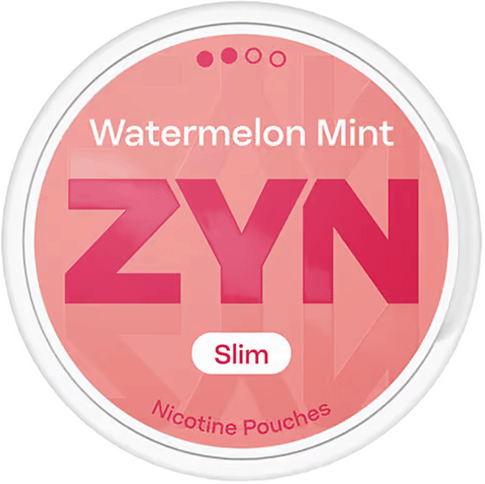
That short opening period can feel quite different from later in a session. The pouch may seem firm at first, then soften as it takes on moisture. Some people notice a clear taste early on, while others find it builds gradually. Nicotine pouch cans are simply the containers the portions are stored in before use, but the can matters more than many newcomers expect because it helps keep the pouches contained, protected and easy to carry.
What happens as the pouch settles
Once a pouch is placed in the mouth, saliva starts to move through the fibre. That process softens the pouch and helps release flavour and nicotine at a steady pace. The upper lip is a common place for placement, with the pouch resting against the gum line rather than being held between the teeth.
Pouch fit plays a part in how the first minutes feel. A pouch that sits flat against the gum usually feels more stable than one folded or bunched at the edge. If it moves around, it can rub or taste uneven. A gentle reposition with a clean finger is usually enough, though hands should be washed first. There is no need to press hard or clamp down for long periods. Comfort is a better guide than force.
The early sensation is often described in terms of warmth, tingling or a sharper flavour note. These feelings vary with strength, flavour and how moist the pouch is at the start. A drier pouch may take longer to wake up, while a wetter one can give a more immediate taste. Neither is automatically better. The right choice depends on what feels comfortable and on the strength the user has chosen.

Why the can matters before use
Nicotine pouch cans do more than hold a product on a shelf. They keep each portion separate and make it easier to see how many remain. Many are small enough for a pocket or bag, which supports discreet use when a pouch needs to be kept until later. The lid also limits contact with air, dust and stray moisture.
Storage is a practical part of the experience. A can left somewhere hot or damp may affect the feel of the pouches before they are even opened. A cool, dry place away from direct sunlight is the sensible default. Keeping the lid closed when a pouch is not being used also helps preserve moisture. If a pouch has been exposed to air for a while, it may feel firmer or taste flatter than expected.
On nicpouch.uk.com, nicotine pouches are organised by strength and flavour for adults aged 18 and over. That kind of structure helps a reader compare options before choosing a can. Strength is not just a number on a lid. It shapes how noticeable the early minutes can be, especially for someone still learning how their own tolerance works.
Strength, flavour and the opening sensation
Strength affects how quickly a pouch may feel noticeable, but it is not the only factor. Flavour can make the first minutes seem stronger or milder. Mint and similar flavours often feel bright at the start, while fruit or tobacco-inspired options may come across as softer. That does not mean one is stronger in nicotine terms. It means the sensory impression differs.
A new user may prefer to start with a lower strength and pay attention to how the pouch feels over a normal usage time. This is a matter of judgment rather than a rule for everyone. If the early sensation is too sharp, removing the pouch is a reasonable response. If it barely registers, the reason may be placement, moisture, flavour or strength. Changing one thing at a time makes the next choice easier to understand.
It is also worth remembering that nicotine is addictive. The first few minutes can feel mild even when the overall effect later is more pronounced. Anyone who is pregnant, breastfeeding, under 18, or unsure about nicotine use should avoid nicotine pouches. Keeping them out of reach of children and pets is part of responsible storage.
Comfort checks during the first minutes
A few simple checks can make the experience clearer. These are not rituals, just practical ways to understand what is happening:
- Check that the pouch sits flat against the gum rather than under the tongue.
- Notice whether the upper lip feels comfortable or whether the pouch is pressing too hard.
- Pay attention to whether the taste appears at once or builds slowly.
- If there is soreness or a strong burning feeling, remove the pouch and reassess.
Slight movement is normal. A pouch does not need to be held perfectly still, but repeated rubbing can irritate the gum line. If the pouch feels bulky, try a different placement rather than pushing it deeper. Some people prefer the side of the mouth, others prefer the front. There is no single correct position, only what works with the shape of the mouth and the size of the portion.
Moisture also changes how a pouch behaves. A pouch that has absorbed saliva may swell slightly and feel softer. That is normal. If it becomes too loose or starts to break apart, it should be removed. A pouch is not intended to be chewed, swallowed or kept in place until it falls to pieces.
Usage time and knowing when to stop
Usage time varies by product and by personal preference. The first session may be shorter than later ones because the mouth is still adjusting to the feel. Rather than watching the clock, pay attention to the pouch itself. When the taste has faded, the pouch feels thin, or the texture has become unpleasant, the session is usually over.
Disposal should be straightforward. Remove the pouch, let it cool down from any immediate sensation if needed, and place it in household waste in a way that keeps it contained. Used pouches should not be left loose where children or animals might find them. Some people carry a small sealed container for this purpose, especially when away from home. That is a practical habit, not a sign that anything has gone wrong.
A can that is opened and closed often may collect small bits of packaging or moisture on the rim. Wiping the outside with a dry tissue is enough for general cleanliness. Keeping the inside free from used pouches helps avoid confusion later. Fresh portions and used portions should never be mixed.

Making sense of the first session
The first few minutes are best understood as an adjustment period. The pouch warms, softens and begins to release flavour and nicotine. Placement, pouch fit, moisture and strength all shape what is noticed. None of those factors need to be mastered at once.
If the session feels comfortable, the experience is fairly unremarkable, which is often the aim of discreet use. If it feels awkward, the cause is usually simple: the pouch is in the wrong spot, the strength is not suitable, or the flavour is too intense. A calm approach works better than trying to force a product to suit.
Choosing from nicotine pouches by strength and flavour gives adults aged 18 and over a clearer starting point. The can is part of that choice because it protects the portions until the moment they are needed. Once the pouch is in place, the body does the rest through ordinary contact and moisture. Understanding that process makes the first minutes less mysterious and helps each later choice feel more informed.